When we receive
question from foreigners about best destination in Seoul, we used to face
somewhat embarrassing position since we have normally not think this point in
our mind. I have experienced such awkward situation onetime when I got friend’s
proposal taking a look around best destination in Seoul together. I have
normally and seriously thought this issue and just simply pass away such issue
since that is no sweat and simple. But I found it was not so easy and simple as
I thought before. Therefore I have checked and reviewed the best seven
destinations in Seoul which we could cover daily tour and selected following seven
best destinations in reference to my friends working or experiencing at
relevant tour field as below.
1. Secret Garden
Behind Changdeokgung Palace and Changkyeonggung Palace
If you get a
proposal foreigners like to take a look around royal palaces, you may suggest Secret
Garden Behind Changdeokgung Palace and Changkyeonggung Palace since these
palaces may not be known to foreigners as Kyeongbokgung Palace but quite and
beautiful palace garden. When Kyeongbokgung Palace was destroyed by Japanese
invasion, this Changdeokgung Palace had been playing a role of alternative main
palace for 258 years which most kings at Joseon Dynasty was loving as priority
palace. Kyeongbokgung has been presently under recovery process works but Changdeokgung
and its relevant halls comparably keeping its original structure and shape
which we could easily figure King’s life at Joseon Dynasty.
Secret garden behand
Changdeokgung is one of the best place along with Buyeonggi Pond which is
spreading at 462,000 m2. This secret garden was only limited area where only
King and his relatives could enter which they alternatively call banded area.
Tourist should get approval for entering to the secret garden prior to their visit
for preservation of valuable historical secret garden. If you apply entrance permission
to the garden through guided tour, you could take a chance to looking around
this secret garden along with official guide. One guide said “This secret
garden is unique one principally different from western style garden which they
are utilizing existing forest and mountains as it is. That is why many foreigners
are loved to look around the Secret garden”. Guided tour has been organized in
four different languages, English, Korean, English, Japanese and Chinese. They
told More than 100 English tour guide used to take a part at English tour
program sometimes at peak season
l
Tip 1: If you visit
to the garden at season for night program, you could try to apply entrance permission
which is normally bloody and tough competition. But foreigners could buy the
ticket without permission process and enter into the garden at night times
without permission up to daily 500
l
Tip 2: If
foreigners like to try to wear Korean dress, they could rent Korean dress near
to Changdeokgung main gate or Changkyeonggung main gate which they could take
an opportunity they could enter free without ticket purchasing due to Korean
dress wearing. Palace. Rental fee of Korean dress is normally KRW10,000 per
pair and hour. . 만약
l
Open Hours : June to
August 09:00 ~ 18:30 hours. Every Monday is off. . .
l
Entrance Fee : KRW 3,000
per head for adult. Special tour to secret garden is extra KRW 5,000 per head.
l
Tour Language
to Changdeokgung Palace: Korean, English (Daily 2 times), Japanese
(Daily 1 times) and Chinese (Daily 1 times),
l
Additional Special
Tour to Secret Garden: English (Daily 3~4 times), Japanese
(Daily 1 times) and Chinese (Daily 1 times),
2. Bukcheon Korea
House Village
Bukcheon Korea
House Village is pretty and charming which is completely different form palaces
style. We took a look King’s living and life at Palaces Tour. We then took a
chance to look high level’s life and living at Joseon Dynasty like noble people.
When you walk at small transitional path lined up with traditional Korea
houses, you could face traditional tea shop and café and restaurant. You could
enjoy nice traditional Korean tea and look down neat view of Korea house village
which you might feel you become noble people at Joseon Dynasty
3. Hongdae – Yeonnam Dong
Some foreigners
learning Korean at Yeonsei University for several month said “We may call Itaewon is foreigner’s area
while this Yeonnam Dong is Korean style as well as foreign style. We do not
feel any inconvenience at Yeonnam Dong culture”
She recommends
playground in front of Hongdae University should be the best place which
everybody could take a cup of draught bear and enjoy unknown musician
performance at the playground and fully immersed to Hongdae mood. If foreigners
like to take shopping, you could guide them to shopping road from Hongdae
Station to Sangsang Maeul (Imagine Village). It is also recommended you could
take them to walk to Yeonnam Dong village where many foreigners comes to know
through mouth to mouth as see at the photo attached.
4. Seongsan Daekyeo Bridge
– one of Han River Bridge and Han River Park
We said sometimes
width of worldwide well known to the people like River Thames in London or
River Seine in Paris are much smaller than that at Han River in Seoul. not
wider Han River in Seoul. Some foreigners visiting to see Han River said Han
River is not river but sea because it is much wider. Therefore It should be a
good location we could take foreign visitors to wonderful and fantastic Han
River night scenery. We aggressively suggest you may take them to Han River
Park where they could see not only awesome night view of Han River but also gorgeous
longer bridge at the Han River. There are 28 bridges at the Han River. We call
Seongsan Daekyeo Bridge is the best night view which is related with unique design
of bridge column and used to appear at several TV drama or movie. You could see
beautiful night view of Seoul at the Han River park regardless what time
because they are lighting always all days. If you take a cup of bear with
chicken, calling as Chimaek and looking around fantastic night secenery, it
should be a unforgettable memory to foreign visitors.
Tip: Banpo
Daekyeo Bridge is also reputedly known to foreigners as nice spot where they
could see peculiars picture of falling down water with colorful light from the
bridge, calling as Moon Light and Rainbow Spring Show.
5. K Star Road at
Cheongdam Dong
There are many
bear monument imaging top star idol group at Cheongdam Dong K Star Road from
Apgujeong Dong to Cheongdam Dong and JYP head office adjacent to this road
which is under plan moving to New Head Office at Seongnae Dong soon. One coffee
shop just crossing over JYP Head Office is known to JYP foreign fans as their
Mecca. There is SMT Restaurant at this road which is running by SM
entertainment company, IDOL Group. .
.
Most People
was concerning that K Star Road was made suddenly and shortly which would be
sloppy works and arrangement. But most idol fans were unexpectedly pleased and easily
satisfied to the fact they visited the K Star Road where popular idol group
walked and visited at TV drama or movie.
Two German hot
fans to Nichkhun, member of 2pm at JYP said “ We are really hot fans to Nichkhun
and come over Korea first time for Nichkhun’s Birthday. We used directly to
arrange K Pop event in Germany sometimes. We are quite satisfied to take an opportunity
to take meals at the Street Restaurant running by JYP and get a chance to touch
idol hand bronze print. We have been a good experience to do that”
Tip : Please note
SM Town, SM Goods Shopping Mole is at KOEX Mall at Samsung Dong. If you have
any foreign visitors hot fan to SM, you may recommend visiting to this shopping
mole.
6. Myeong Dong
Myeong Dong, optimally
arranging for shopping is worthwhile to visit with foreigners because most
foreign visitors satisfying to so active Korean movement as they sometimes lost
their original plan or schedule.
One Philippine
Tourer said “I could enjoy buying Korean products with much lower price here in
Myeong Dong than that at Philippine and additionally tax free. There are many
reputed brand products close by so that I could easily take around all relevant
shops at the same time and conveniently comparing”. Please note food price is
normally higher than average price at other places because of land and shop
rental price is highest in Korea. Foreign visitors could take a chance to see active
shopping area.
7. Yongsan War Memorial
Hall
This War
Memorial Hall is surprisingly the most popular to 20th age foreign
visitors. When you visit the Hall, you will see more foreign visitors than
Korean visitors who came there with family and sometimes see foreign visitors
coming alone without any body.
Foreigners
quickly and deeply recall Korea means as divided country who mostly like to
take a tour to DMZ where they could
easily find the separated country. If any foreigners lie to learn more about recent
Korea History and Korean War History, we could confidently say this hall should
right palce answering to their questions about recent and war history.
It would take normally
1~2 hours for complete tour which would take 3 hours in case anybody like to
more carefully look.
l
Open Hours: 09:00 ~ 18:00 hours. Every last Wednesday at
month opening until 20:00 hours. Every Monday is off.
l
Entrance Fee : Free
Guide Language : Servicing
with mobile guiding facilities in English, Japanese, Chinese, Spanish, Russian,
French and Arabic.  |
| Changdeokgung Buyonggi, King Fishing pond |
 |
| Changdeokgung Secret Garden |
 |
| Donhwamun - Main Gate of Changdeokgung Palace |
 |
| K Star Road at Cheongdam Dong |
 |
| Han River Park |
 |
| Hongdae Yeonnam Dong Forest Road |
 |
| JYP Head Office at K Star Road |
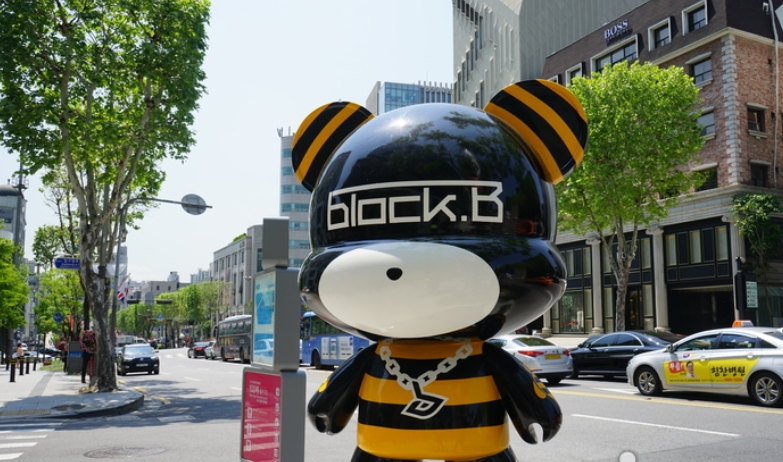 |
| K Star Road Idol Bear Monument |
 |
| Fully Lined Up around JYP Head Office |
 |
| Night View at Myeong Dong Street |
 |
| Outdoor Exhibitions at Yongsan War Memorial Hall |
 |
| Seongsan Daekyeo Bridge at Han River |
 |
Seoul Bukcheon Haeinjeong |
 |
| Seoul Bukcheon Village |
 |
| SMT Restaurant at K Star Road |
 |
| Yongsan War Memorial Hall |
 |
| Yeonnam Dong Matgip Golmok- Restaurant and Food Street |


